
Spottswood Rice
Born enslaved in Virginia in 1819, Spottswood Rice negotiated his own freedom, became a Union soldier, minister, and community leader. His remarkable story survives in the historical record—and in his own words.
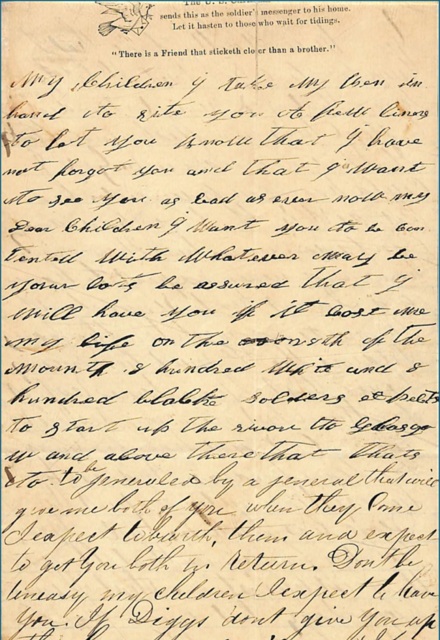
at the National Archives.
What inspired this research?
Two letters written in 1864 brought Spottswood Rice's determination into sharp focus. He had gained his freedom, but his daughters were still enslaved. From a Union Army hospital, he wrote words that refused to let that separation be the end of their story.
Those letters became the starting point for a much larger investigation into the life he built before and after the Civil War.
Rice went on to build churches across the Wild West—the first Black church in Albuquerque, the first in Santa Fe, and a lovely stone church in Colorado Springs that still stands today. Nearly 1,000 people attended the funeral of this man who had been born enslaved.
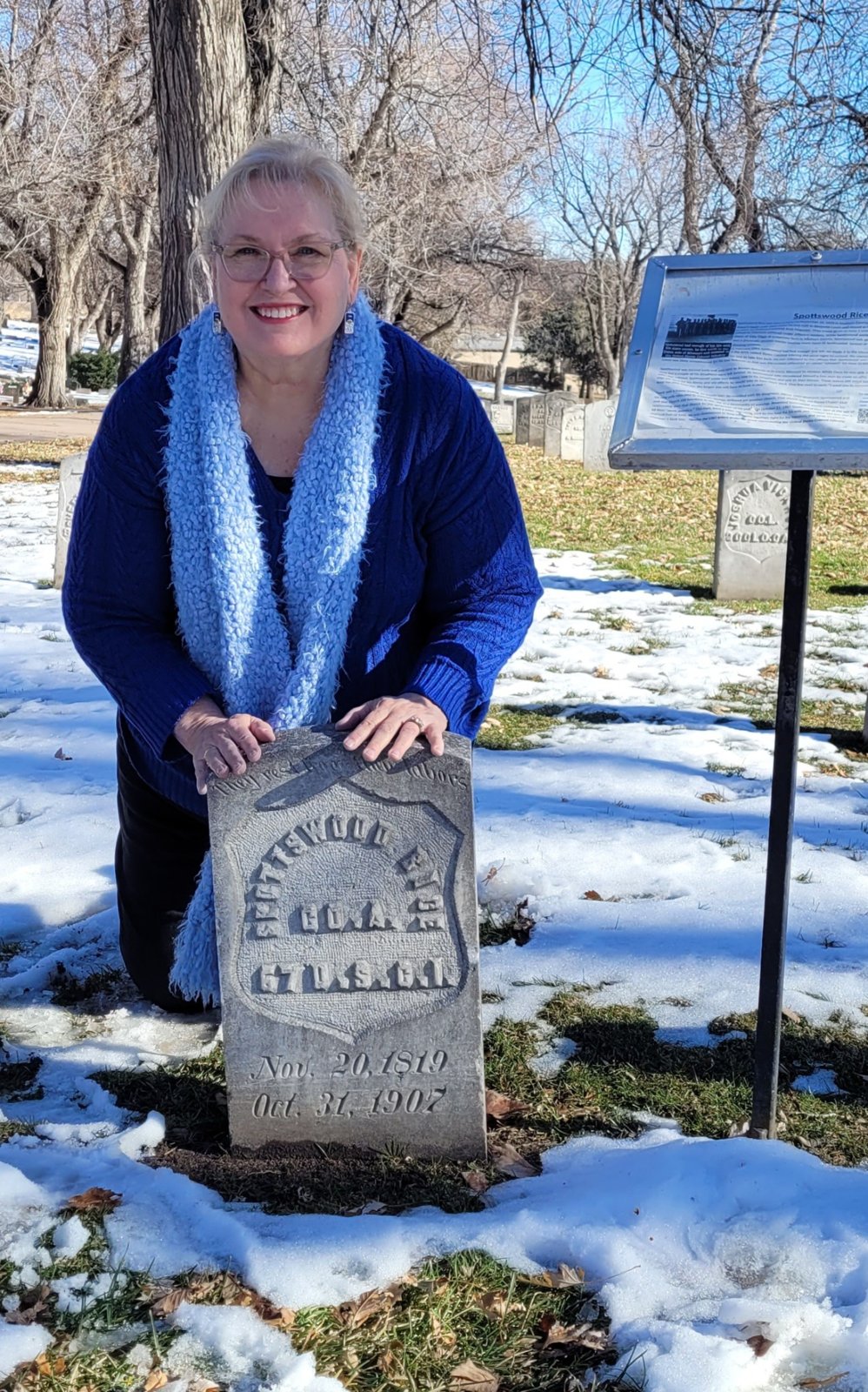
A father’s words. A soldier’s resolve. A life far larger than two famous letters.